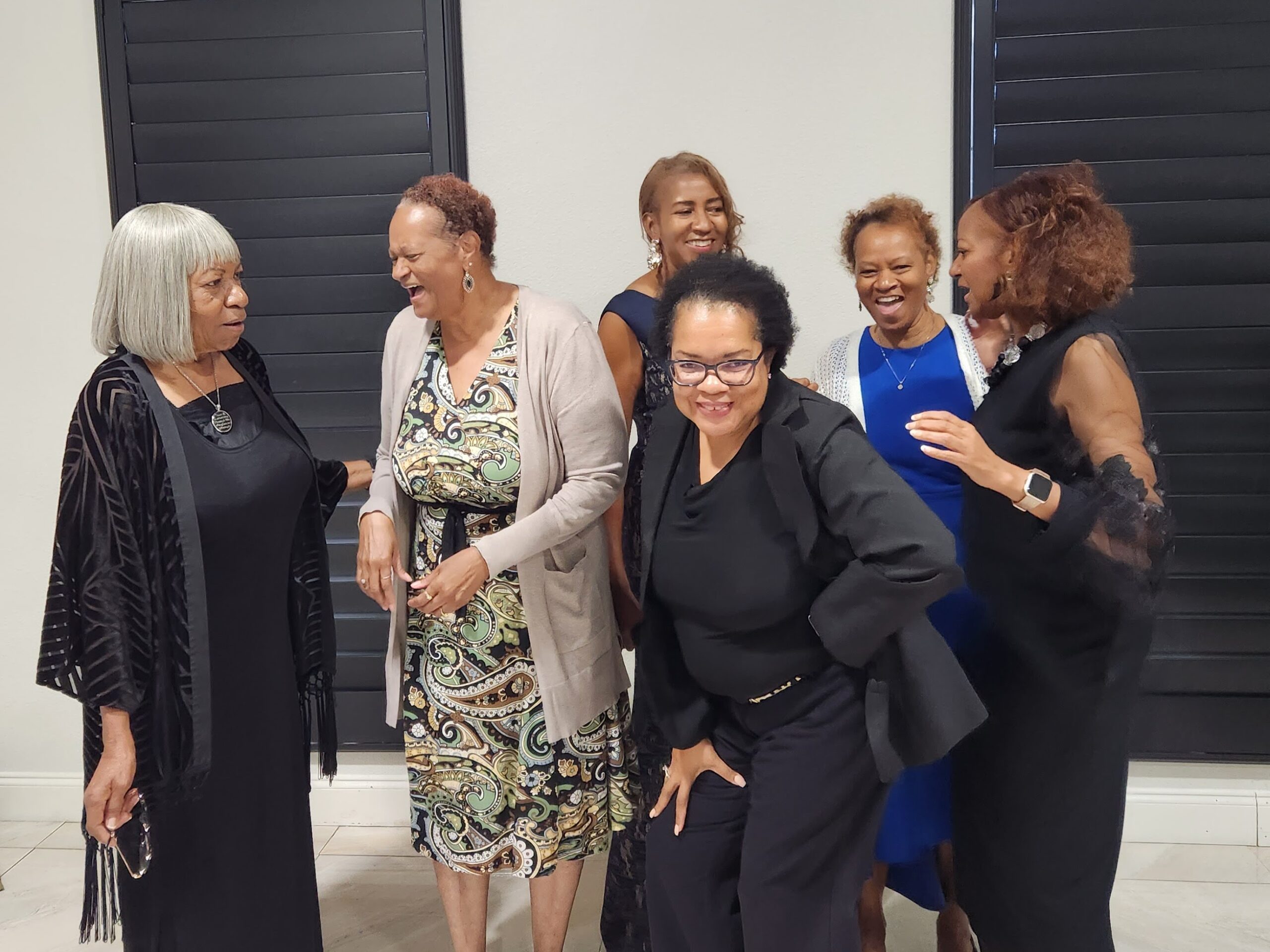


Easter is this Sunday. If you grew up Black and Southern—or really Black anywhere in America—you know that Easter Sunday is not just a holiday, it’s an event. A part of the holy trinity of attendance, CME. Everyone puts on their Sunday best. Older women in their best hair. Hats so wide you cannot see around them in the pew. Grandmothers’ perfumes permeating the entire church. A whole production. Beautiful. Ours.
I have been going to church since I was knee high to a duck. One side of my family—Church of God in Christ. The other—Church of Christ. If you know, you know. Two traditions. Two very different approaches to the same God. Both rooted in love, both certain the other one has some explaining to do. Growing up held between those two worlds, questions were always quietly present—not crisis, just curiosity. As a child, I filed it away and kept moving. I was loved, covered, and churched.
Then I got older. Life started really happening. And my mind and spirit became curious in a way I could no longer file away.
Honestly, my mother planted something in me. She has always been a loud praiser of God and an equally loud condemner of the institution. I grew up watching her hold both. “Don’t be so heavenly minded you’re no earthly good.” So when my own Black faith journey started pressing on me, it did not feel like losing ground—but rather arriving at a part of the road I had always known was coming.
I had to sit with the understanding that the institution and the relationship are not the same thing.
Here is what I think of often. The Bible that was handed to Black Americans—particularly enslaved Black Americans—was handed as a tool of control. Used to justify bondage, demand compliance, and reframe someone else’s cruelty as God’s will. Strategic and intentional. And the fact that we not only survived it but built our entire spiritual and cultural identity inside of it? I find it to be both one of the most remarkable and most sobering things about our Black American experience. Knowing that history makes it impossible to read certain passages the same way, or not question everything.
And then there are the people in power—and we know exactly who I mean—who have used faith as a shield for decades. Who have built entire political identities on the declaration of Christianity while the fruit tells a completely different story. Gutting programs that feed and educate children. Stripping protections from the vulnerable. Wielding scripture to exclude the very people Jesus sat with. We all sin and fall short—I believe that completely, for every human being. But there is a particular kind of audacity in using God’s name to justify harm and then distributing grace only to people who look like you.
There are also the geographical and historical inconsistencies in how scripture has been taught—the whitewashing to fit a particular audience and a particular agenda. Once you start pulling that thread, you cannot stop. Truly knowing who and whose you are is the strength needed to fight the spiritual warfare that is ongoing.
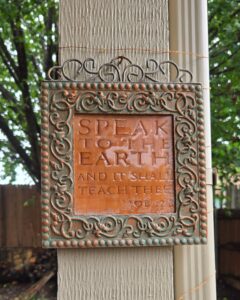
My Mt. Sinai moment came in the least expected place—Mississippi. I lived there for six months, and oddly enough, I never attended church the entire time I was there. And yet I was always in praise. Something about that stillness, that distance from everything familiar, created space for something real. No production, no dress code, no performance of faith. Just me and God—not the inherited version, not the institutionalized version, but the relationship I actually had when I got quiet enough to hear it.
Let me say, the history in Mississippi can be felt in your core. I am thankful for that time, and for the strength of those before me who guided me.
That clarity has not left me. I attend church on occasion now, and when I go, I am present. When I do not go, I do not get down on myself. The relationship does not live in the building. It never did—I just needed my own moment to know that for certain.
That is the thing about come as you are. The church says it, but I would argue that a lot of people do not actually feel it. When you are broken—really broken—the weight of the institution can feel like one more thing you have to hold yourself together for. The right clothes, the right words, the right amount of put-together. And so people stay away. Not because they have lost faith, but because they cannot afford to perform it right now.
I have not arrived. Nor am I standing here with all the answers wrapped up neatly. This Black faith journey is ongoing—I am still in it, asking questions, sitting with things I cannot fully resolve. And I have made peace with that. The work is the point. The curiosity keeps me going.

This Easter, I am showing up to whatever quiet and true thing feels right that morning. I am a woman doing the work of figuring out what she actually believes. Not inherited. Not convenient. But real.
If you are somewhere in that wrestle—holding onto God while questioning the institution, or feeling like you cannot come as you truly are—I see you. Faith and worship can be found anywhere.
Stay curious. Trust the God in you to order your steps.
BTW: “A people without the knowledge of their past history, origin, and culture is like a tree without roots.” – Marcus Garvey
Drop a comment, share it with someone who’s in the wrestle, or just sit with it for a minute. You don’t have to have it figured out. That’s kind of the whole point.
Other Post You May Enjoy:
Intentional Spending: Where You Put Your Money Is a Statement
Things I’ve Been Noticing Lately
Discover more from Life In AD
Subscribe to get the latest posts sent to your email.